













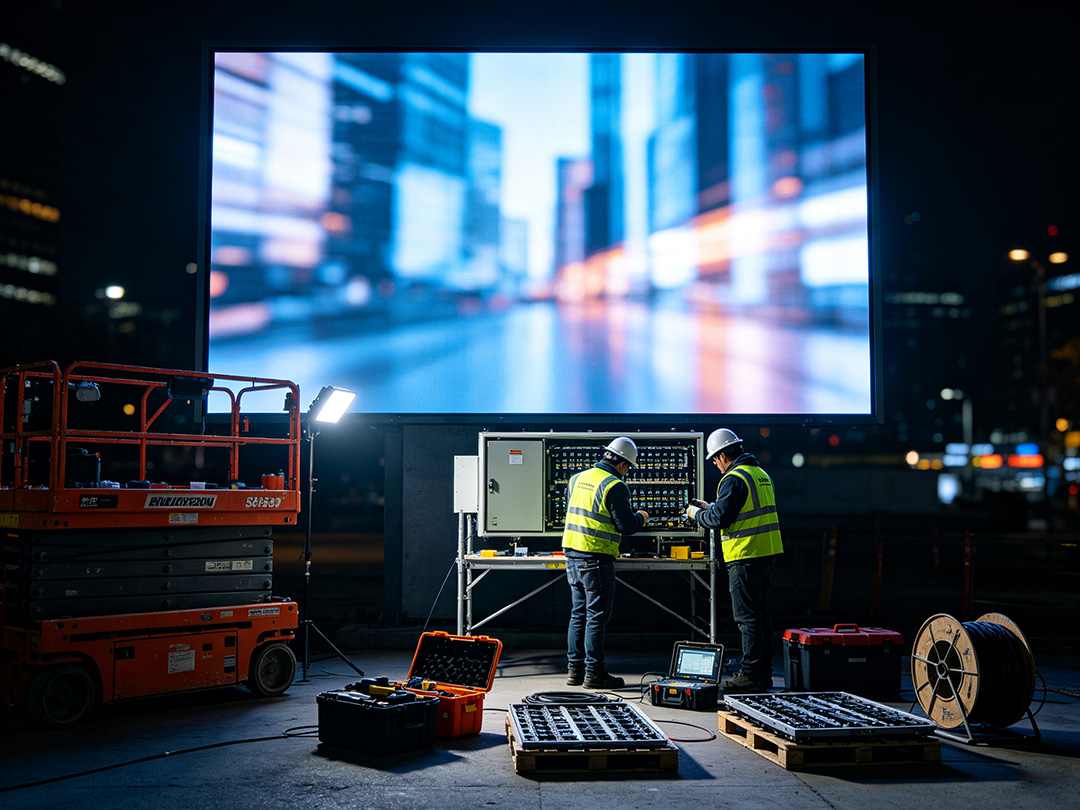


Stage & Performance Rental LED Display Solution
Rental LED solution for stages and performances — curve-lock cabinets with fast rig, front...

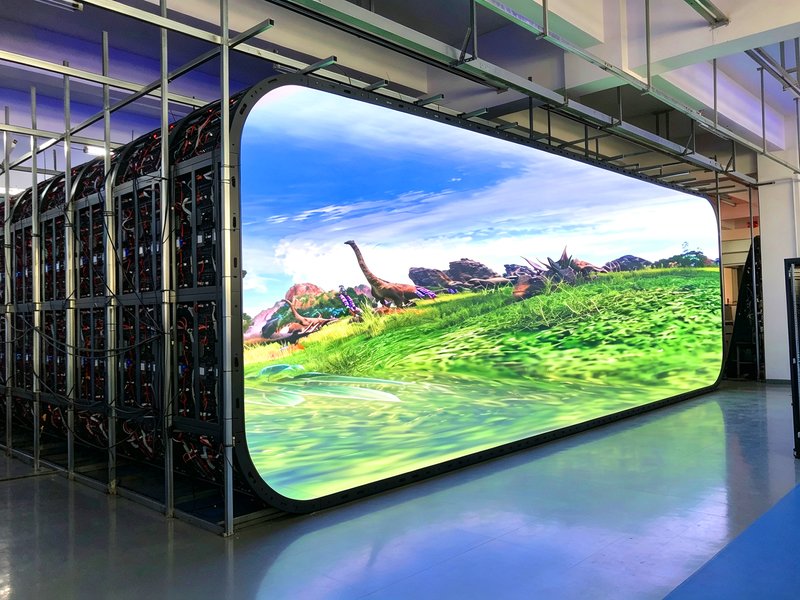
This solution is tailor‑made for XR virtual digital scenarios. Leveraging high‑definition LED display technology, real‑time rendering technology and spatial light‑shadow fusion technology, it breaks t
XR‑Immersive LED Display Solution

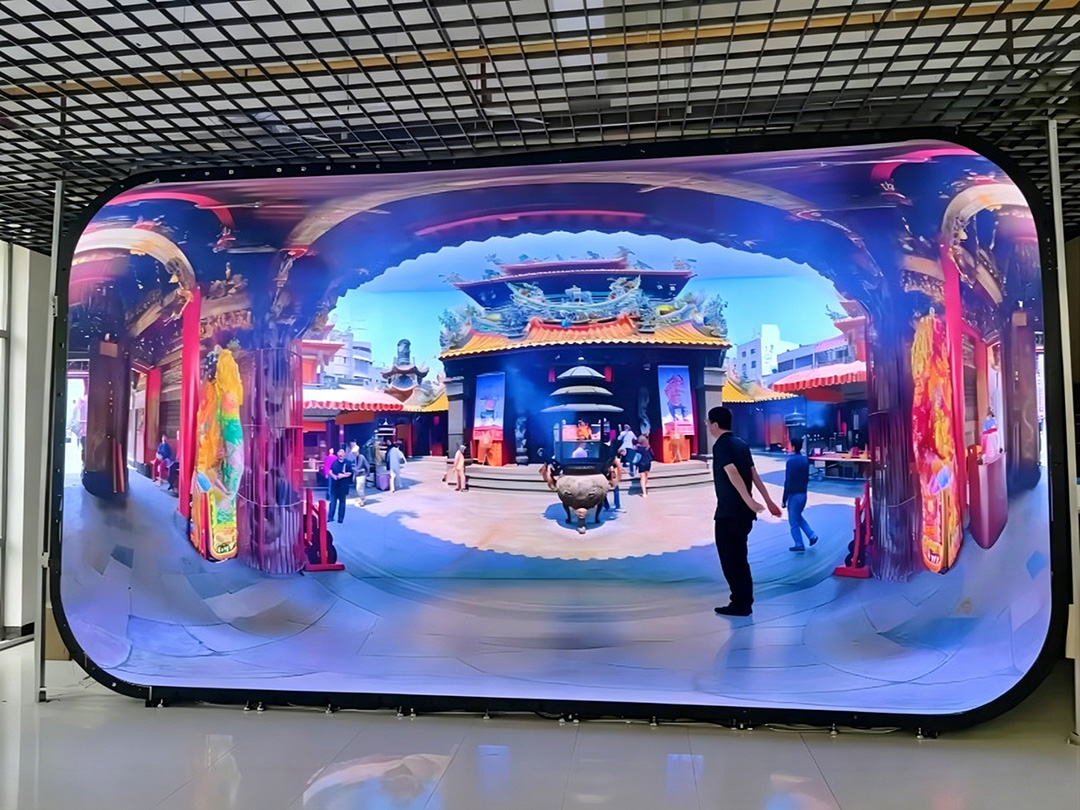
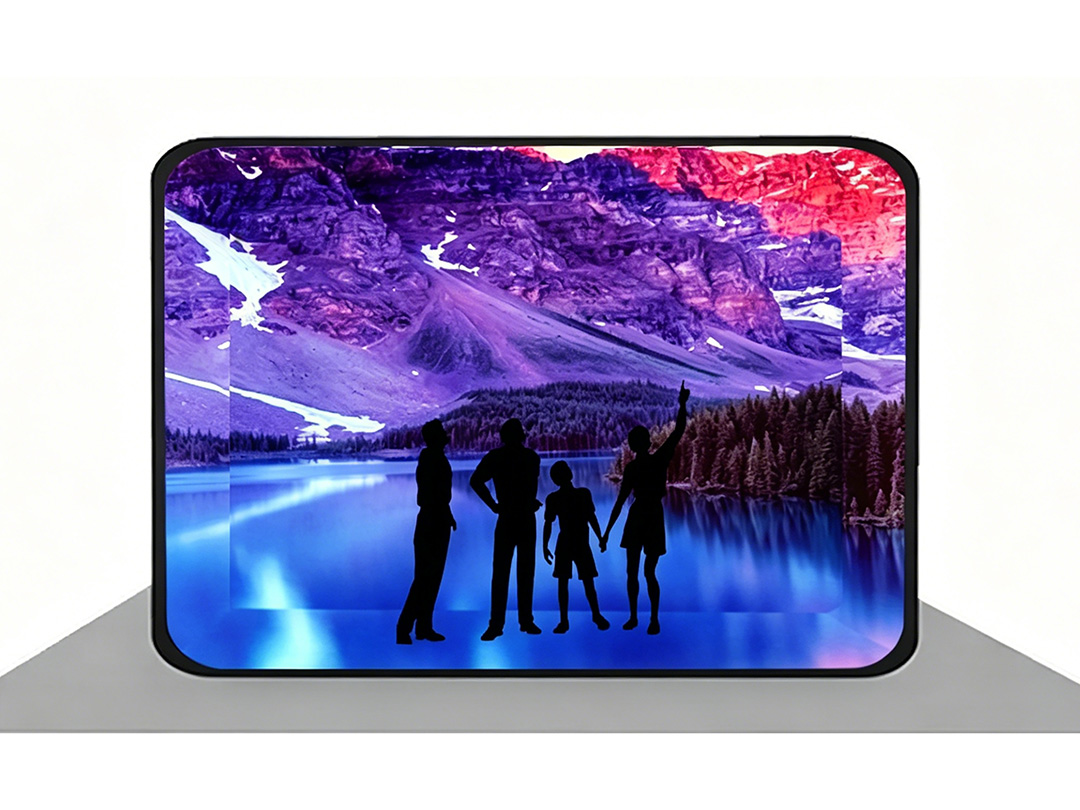
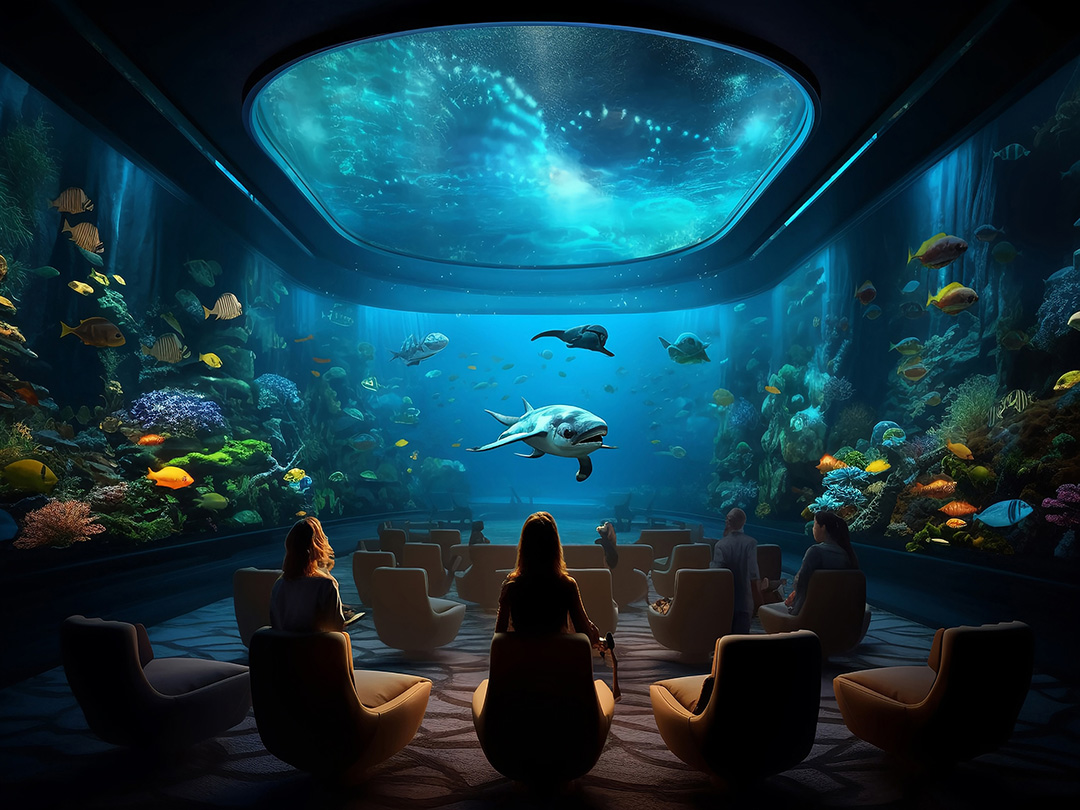
This solution is tailor‑made for XR virtual digital scenarios. Leveraging high‑definition LED display technology, real‑time rendering technology and spatial light‑shadow fusion technology, it breaks the limitations of conventional flat‑panel displays to create a naked‑eye‑3D immersive visual space. It is widely applicable to full‑scenario digital applications including virtual production, cultural‑tourism exhibition halls, corporate showrooms, science‑popularity education, e‑sports interaction and press‑conference live streaming. Balancing visual performance, practical implementation and cost‑effectiveness, it delivers one‑stop custom display solutions for diverse virtual digital scenarios.
|
|
1. What is XR Immersion
XR‑immersion stands for extended‑reality immersive experience, a full‑domain virtual‑interaction technology integrating VR (Virtual Reality), AR (Augmented Reality) and MR (Mixed Reality). Based on immersive LED display hardware, combined with real‑time‑engine rendering, spatial light‑shadow calibration and camera‑tracking fusion technologies, it builds a panoramic enclosed stereoscopic visual space where virtual and real elements coexist.
Different from ordinary conventional flat LED displays, XR‑immersive displays require no VR/AR headsets. Through a multi‑screen enclosed spatial structure, ultra‑high‑definition image quality, dynamic light‑shadow synchronization and real‑time scene interaction, audiences or operators are fully immersed in 3D virtual environments, achieving the naked‑eye immersive “what‑you‑see‑is‑what‑you‑get” visual experience. It effectively addresses pain points of traditional displays such as monotonous imagery, weak atmosphere and virtual‑real fragmentation, and serves as core hardware support for the implementation of current‑generation virtual‑digital scenarios.
2. Why Adopt XR Immersion & Applicable Scenarios
2.1 Core Values & Necessities
1.Upgraded Visual Experience: Eliminates barriers of 2D flat‑panel displays and constructs a 360° stereoscopic enclosed space with greatly enhanced image stereoscopy and realism. Its immersive atmosphere far outperforms traditional display devices such as displays, projectors and splicing screens.
2.Real‑time Virtual‑real Fusion: Compatible with virtual engines and camera‑tracking systems to realize real‑time overlay and fusion of virtual scenes with real‑world people and physical objects, free of latency and filming artifacts. Suitable for various dynamic creation and interactive scenarios.
3.Flexible Scene Reusability: Eliminates physical‑set construction and backdrop replacement. Virtual scenes can be switched with one‑click operation on the system, substantially cutting costs for set building, modification and operation‑maintenance and improving site utilization efficiency.
4.Alignment with Digital‑transformation Trends: Caters to industrial digital‑upgrade demands for metaverse‑related applications, virtual digital exhibition halls, digital cultural tourism and virtual live streaming. It creates high‑end tech‑driven scenarios and elevates brand image and exhibition outcomes.
2.2 Core Application Scenarios
1.Film‑Media Industry: XR virtual‑production studios, short‑video shooting, live‑stream sales, variety‑show studios and online press conferences. It replaces traditional green‑screen keying to enable real‑time footage generation and visible previsualization of effects.
2.Cultural‑tourism Exhibitions: Urban cultural‑tourism exhibition halls, museum digital exhibitions, scenic‑spot immersive experience halls, internet‑famous light‑and‑shadow spaces and digital‑art exhibitions in commercial complexes.
3.Government‑enterprise Exhibition Halls: Corporate digital showrooms, government achievement exhibition halls, digital Party‑building exhibition halls and multi‑function presentation studios.
4.Science & Education: Virtual‑training classrooms for universities, immersive exhibition zones in science museums, vocational‑skill virtual teaching and science‑popularity interactive experience spaces.
5.Commercial Interaction: Immersive e‑sports venues, new‑product launch events, virtual‑scene wedding photography, immersive escape‑game venues and brand pop‑up exhibition halls.
|
|
3. XR Screen Solution Selection: 3‑sided, 4‑sided, 5‑sided, 6‑sided, Right‑angle & Curved‑corner Options
Select enclosed‑screen configurations targeting immersion level, application purpose and project budget for precise scenario matching.
3.1 3‑sided Screen Solution (Entry‑level Immersion)
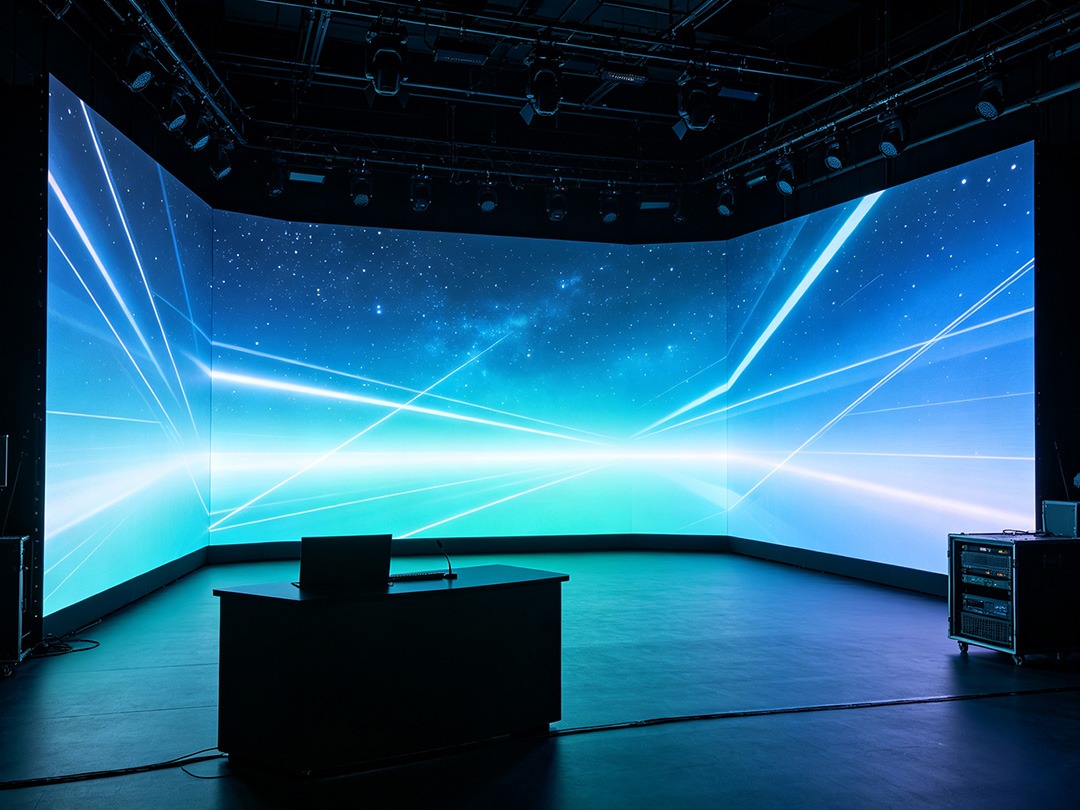
Composed of ground LED screen plus left‑and‑right vertical LED screens. Featuring simple structure and high cost‑effectiveness with no ceiling screen. Suitable for entry‑level immersive scenarios including general corporate showrooms, small‑scale live streaming, product displays and basic science‑popularity exhibitions. It strikes a balance between display performance and cost and represents the mainstream choice for small‑to‑medium‑size projects.
3.2 4‑sided Screen Solution (Standard Immersion)
Enclosed configuration consisting of front, left‑right and ground screens, forming an enclosed stereoscopic space. Seamless visual connection is achieved between ground and wall screens for markedly enhanced enveloping stereoscopy. Suitable for small‑to‑medium‑size virtual studios, conventional XR live streaming, core corporate showrooms and medium‑small science‑popularity experience halls. It delivers the highest versatility for most commercial immersive applications.
3.3 5‑sided Screen Solution (High‑end Immersion)
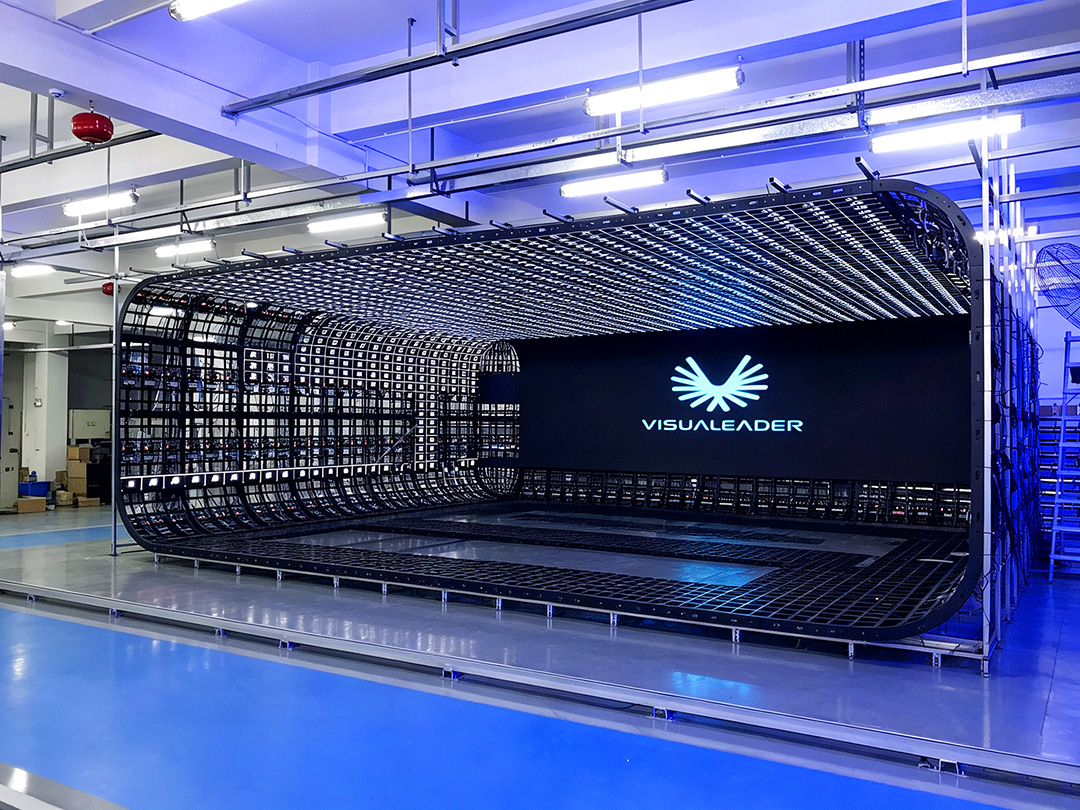
Enclosed setup incorporating front, left‑right, ground and ceiling screens. Users are fully surrounded with only access openings reserved, delivering drastically upgraded immersive atmosphere with zero visual dead zones. Preferred for high‑visual‑requirement mid‑to‑high‑end projects: professional virtual‑production studios, premium cultural‑tourism exhibition halls, flagship brand showrooms and immersive training classrooms.
3.4 6‑sided Screen Solution (Ultimate Immersion)
Fully enclosed hexahedral‑enclosure space offering 360° dead‑zone‑free panoramic immersion that largely isolates external surroundings to deliver 100 % virtual‑real‑fusion experience. Deployed for professional‑grade high‑end commercial uses: professional film‑and‑television XR production, premium light‑and‑shadow‑art exhibitions, immersive e‑sports venues and top‑tier digital‑experience halls.
3.5 Right‑angle vs Curved‑corner Selection
Right‑angle screens: Sharp spliced corners with well‑defined image lines. Ideal for tech‑style / industrial‑style spaces, government‑enterprise exhibition halls, product showcases and formal studios. It ensures precise splicing free of image distortion, superior stability and convenient maintenance.
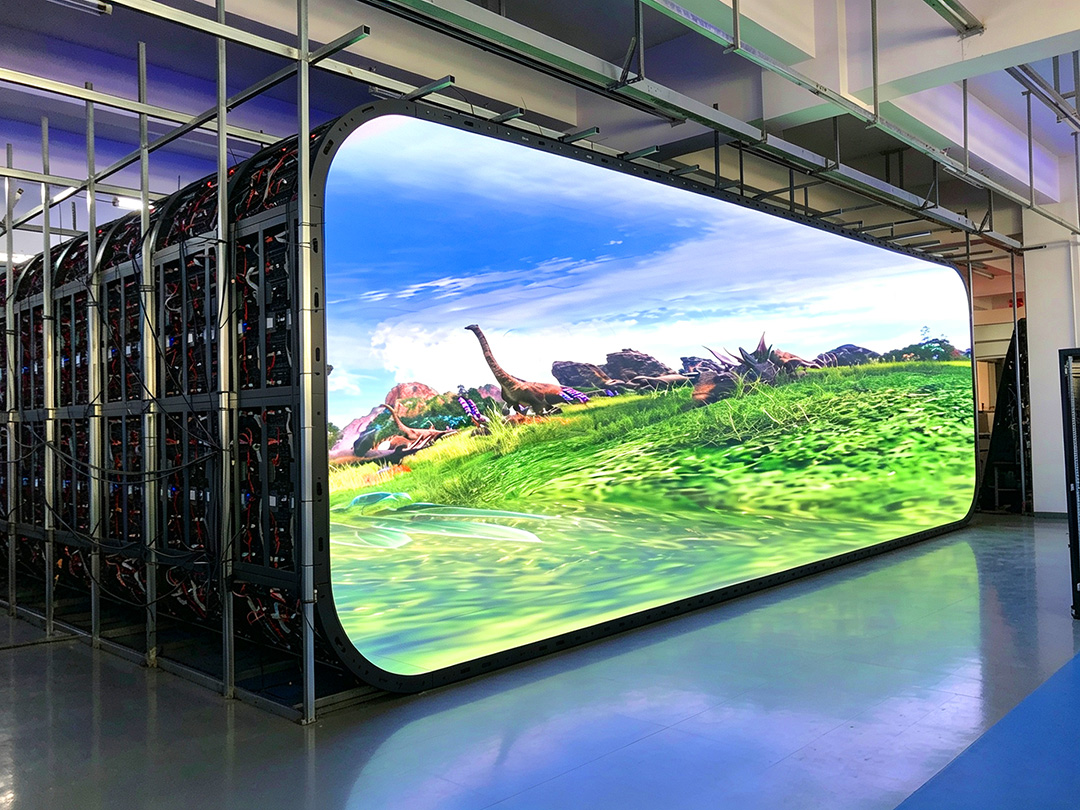
Curved‑corner screens: Built with flexible LED modules for smooth rounded transitions without sharp edges, delivering softer visual envelopment. Well‑suited for cultural‑tourism light‑and‑shadow exhibitions, art galleries, internet‑famous experience spaces and high‑end leisure venues for outstanding aesthetics and atmosphere, yet with slightly higher procurement costs versus right‑angle configurations.
|
|
4. Sizing & Spatial Criteria for XR Solutions
Spatial dimensions directly govern immersive performance and user comfort. Comprehensive planning shall consider site footprint, visitor capacity, application scenarios and equipment layout. Core selection criteria:
1.Small‑size space (20‑40 ㎡): Matches 3‑sided /4‑sided solutions. For small‑scale live streaming, single‑/dual‑person virtual shooting, compact corporate displays and desktop‑grade immersive experiences. Recommended floor height: 2.8‑3.5 m. Compact space optimized for short‑distance visual effects.
2.Medium‑size space (40‑100 ㎡): Mainstream commercial footprint for 4‑sided /5‑sided configurations. Applicable to corporate exhibition halls, medium‑small studios, science‑popularity zones and regular cultural‑tourism experiences. Floor‑height suggestion: 3.5‑4.5 m. Supports multi‑visitor experiences and regular shooting‑and‑live‑streaming activities, balancing performance and practicality.
3.Large‑size space (> 100 ㎡): Adopts 5‑sided /6‑sided full‑immersion schemes. For professional film‑and‑television studios, large‑scale cultural‑tourism exhibition halls, brand launch events and large‑scale training bases. Floor height ≥ 4.5 m. Accommodates multi‑user interaction, large‑range scene shooting and major‑event deployment.
4.Core planning principles: Match viewing distance with screen spacing to prevent image distortion and visual vertigo. Reserve space for equipment heat dissipation, personnel passage and camera setup. Allocate room for future expansion and modification to guarantee solution scalability.
|
|
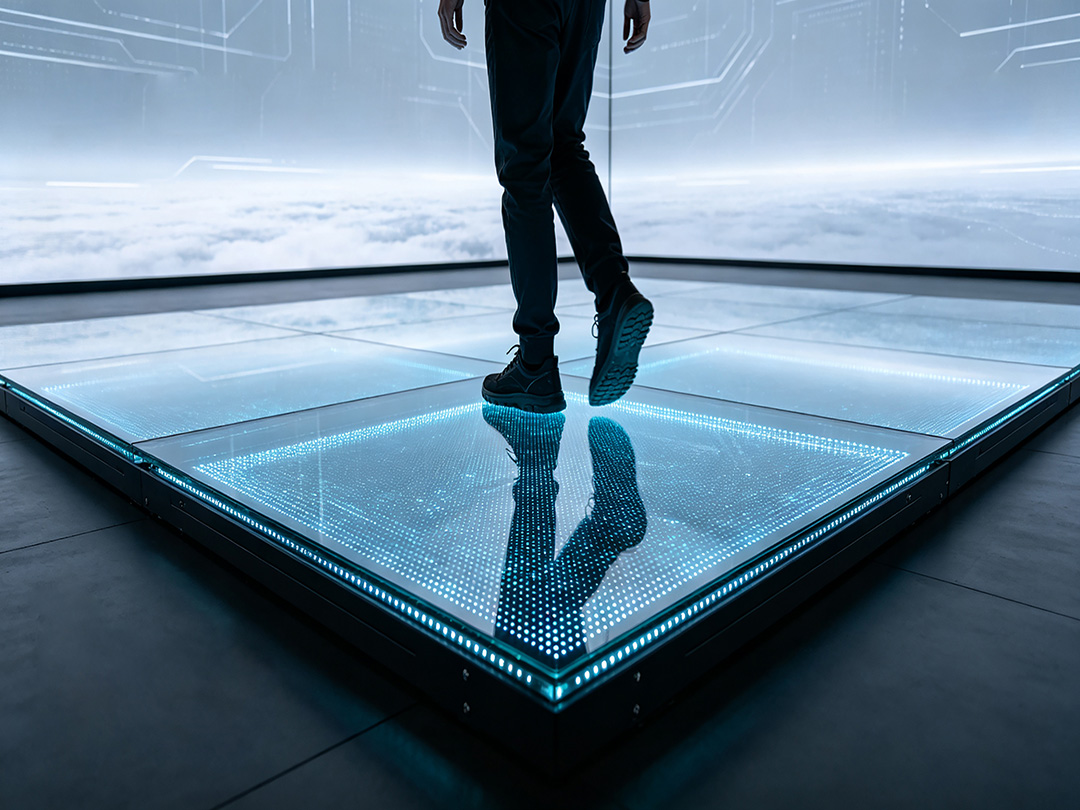
5. Selecting XR Ground LED Displays
As core hardware for virtual‑real fusion and stereoscopic immersion, ground LED screens must satisfy six key performance requirements: load‑bearing capacity, wear resistance, anti‑slip property, high definition, compression resistance and frame‑synchronization linkage. Key selection points:
1.Material & Structure: High‑strength die‑cast‑aluminum cabinets plus thickened tempered‑glass protective panels for high load‑bearing capacity and impact resistance. Capable of sustaining pedestrian traffic, equipment placement and prop‑trampling without deformation or damage.
2.Anti‑slip & Wear‑resistant Performance: Matte anti‑slip surface treatment that meets anti‑slip‑grade standards. Scratch‑proof and wear‑resistant for heavy‑traffic commercial deployment.
3.Image‑quality Synchronization: Millisecond‑level frame synchronization with wall and ceiling screens. Fully consistent color gamut and refresh rate to eliminate image discontinuity and chromatic aberration, achieving seamless integration between ground and vertical‑surface scenes.
4.Ingress‑protection Rating: IP65 dust‑proof and water‑proof performance, resisting stains and water accumulation for easy routine cleaning and reduced operation‑maintenance workload for long‑term heavy‑duty commercial use.
5.Pixel‑pitch Selection: P1.8 / P2.0 for small‑space close‑range viewing; P2.5 for medium‑scale commercial projects; P3.0 for large‑space long‑distance viewing. Balances clarity and cost‑effectiveness.
6.Heat Dissipation & Stability: Independent heat‑dissipation modules. Operates stably under high‑brightness long‑hour running with no overheating, black‑screen events or dead‑lamp failures even under continuous pedestrian trampling.
|
|
6. Evaluating Quality of XR‑Immersive LED Displays
XR displays impose far stricter requirements for image quality, stability and synchronization than conventional LED screens. Evaluate product quality via these core dimensions:
1.Core Image‑quality Parameters: Refresh rate ≥ 7680 Hz to eliminate flicker and moiré patterns for flicker‑free camera shooting; color depth ≥ 24 Bit for accurate color reproduction and fine imagery; high contrast ratio to deliver rich light‑dark gradations and enhanced virtual‑scene stereoscopy.
2.Splicing Craftsmanship: Minimal splicing gaps between modules with no obvious dark or bright seams. Superior flatness across the full screen without image deformation or dislocation.
3.Synchronization & Response Speed: Millisecond‑level image synchronization. Connects flawlessly with virtual engines and camera‑tracking systems without latency, stuttering or filming artifacts for smooth motion rendering free of ghosting.
4.Stability & Lamp‑bead Yield: Premium‑brand lamp‑bead chips with yield rate ≥ 99.99 %. Minimal dead‑lamps, dim‑lamps or flickering under prolonged runtime. Reliable power supplies and receiving cards supporting 7 × 24‑hour non‑stop operation with low failure rates.
5.Durability & Environmental Protection: Dust‑proof, water‑proof, anti‑static and anti‑interference for indoor commercial deployment. Robust cabinet structure resisting deformation, convenient for repeated commissioning and maintenance.
6.Color Uniformity: Homogeneous brightness and color performance across the entire screen. Free of local color deviation or uneven brightness with unified color temperature to preserve visual integrity of immersive scenes.
|
|
7. Installation Specifications & Workflow for XR‑Immersive LED Displays
XR‑immersive screens constitute custom multi‑screen‑enclosure projects. Installation precision determines immersive effects and operational stability. Standardized installation workflow:
1.Preliminary Site Survey & Planning: Conduct on‑site measurements of site dimensions, floor height, load‑bearing capacity, electrical‑circuit conditions and ambient lighting. Formulate custom installation layouts according to enclosure configurations (3‑6‑sided, right‑angle / curved‑corner) and mitigate site‑specific constraints.
2.Foundation Frame Construction: Build robust support frames using high‑strength aluminum‑alloy or steel structures. Precisely calibrate horizontal and vertical angles to guarantee screen‑splicing flatness. Reserve space for heat dissipation and maintenance access to prevent later‑stage deformation and loosening.
3.Precision Module Mounting: Install LED modules sequentially following serial numbers. Strictly control splicing gaps and flatness, calibrate image positions module‑by‑module to realize seamless transition among wall, ground and ceiling screens.
4.Cable‑layout Organization: Deploy power and signal cables in unified classified bundles with secure fastening and insulation treatment for safe and stable power supply and signal transmission.
5.System‑integration Commissioning: Connect control systems, virtual‑rendering systems and camera‑tracking systems. Complete image synchronization, color calibration, light‑shadow adaptation and latency tuning to achieve seamless hardware‑software coordination.
6.Final Acceptance Testing: Power on full‑screen test. Inspect for dead lamps, chromatic aberration, screen flickering and latency. Simulate multi‑scenario operation tests to verify immersive‑effect compliance and equipment stability before project hand‑over and acceptance.
|
|
8. Realizing Immersive Visual Effects
Premium hardware paired with professional tuning techniques yields top‑tier naked‑eye immersion. Core implementation approaches:
1.Matching Enclosed‑space Configurations: Adopt corresponding multi‑screen‑enclosure solutions for target scenarios. Seamless multi‑screen splicing erases visual boundaries to construct panoramic enveloping spaces and weaken real‑world environmental contours.
2.High‑precision Image Calibration: Deploy professional color‑calibration systems to unify full‑screen brightness, color temperature and chromaticity. Correct splicing‑induced image distortion to achieve seamless integration across wall, ground and ceiling surfaces for coherent scenes without fragmentation.
3.Real‑time Virtual‑real Fusion: Link with XR virtual engines and camera‑tracking systems to capture real‑world human‑object dynamics in real‑time. Virtual scenes dynamically adapt to physical‑world movements for synchronized virtual‑real lighting‑shadow and accurate perspective rendering free of filming artifacts or misalignment.
4.Light‑atmosphere Optimization: Deploy dedicated ambient‑lighting systems to adjust ambient‑light brightness and color temperature matching screen imagery. Mitigate strong‑light interference and enhance image stereoscopy and realism.
5.High‑definition Dynamic‑scene Assets: Adopt high‑resolution 3D virtual‑scene resources supporting dynamic‑scene switching, immersive animations and interactive special effects, transforming static displays into dynamic stereoscopic spaces and elevating user immersion.
6.Low‑latency Dynamic Response: Ensure millisecond‑level response for image refresh and signal transmission. Deliver fluid imagery without ghosting during dynamic shooting and interaction to eliminate visual stuttering and vertigo.
|
|
9. Control Methods for XR‑Immersive LED Displays
9.1 PC‑linked Synchronous Control (Preferred for Live Events & Dynamic Performances)
Application scenarios: Cultural‑tourism tunnels, temporary‑exhibition halls, holiday‑themed shows, live streaming and ad‑hoc promotional events.
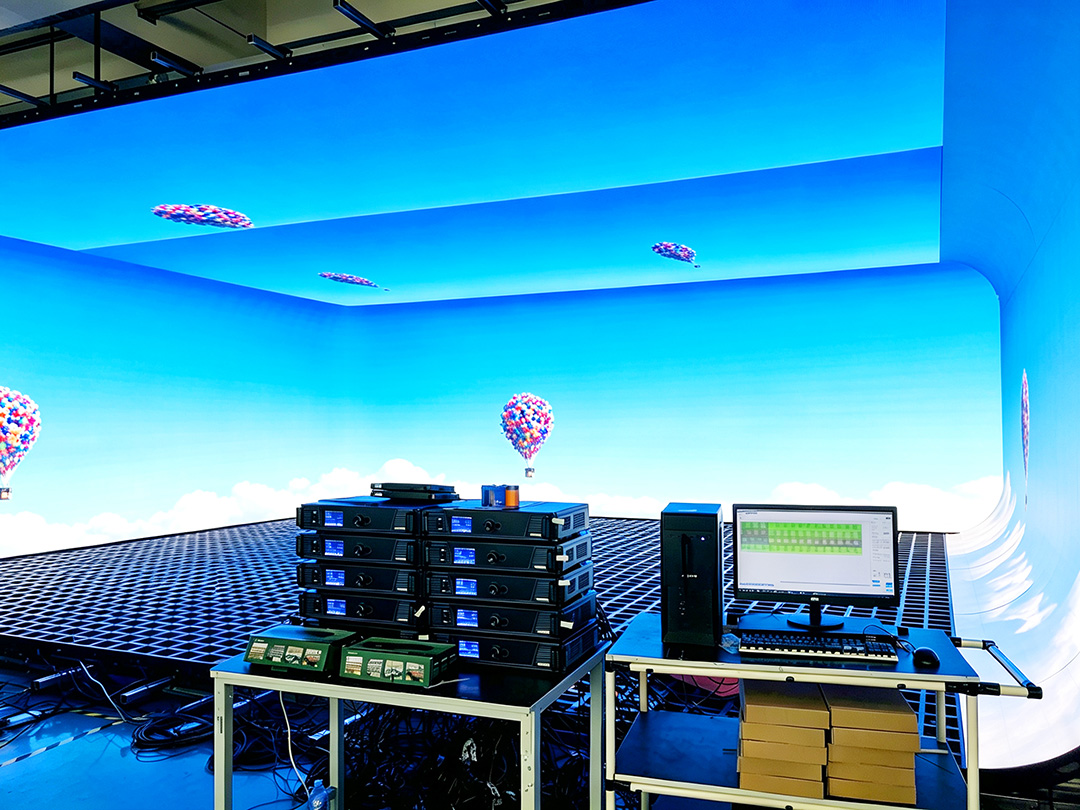
Connection: Wired Ethernet / fiber‑optic direct link between PC and sending‑cards. Graphics‑card outputs push real‑time imagery to screens.
Core capabilities: Real‑time image push, one‑click special‑effect switching, real‑time brightness / color‑temperature adjustment, live‑signal access and on‑site dynamic control; full‑screen frame synchronization with low latency.
Advantages: Intuitive‑to‑operate, supports real‑time interaction and instant‑content modification.
Limitations: PC must remain powered on; image performance is bounded by PC hardware capacity. Large curved‑tunnel multi‑screen splicing requires additional video splicer processors.
9.2 Professional Media‑server Control (Preferred for Immersive Spaces: Tunnels, Curtain‑walls & Irregular Curved Surfaces)
Application scenarios: Immersive tunnels, spherical‑screen / curved‑screen and integrated multi‑faceted XR spaces requiring pixel‑mapping and 3D‑content playback.
Hardware: LED playback‑control servers (Nova, K‑Star, Deep‑Work etc.) with multi‑server cluster collaborative output.
Core capabilities: Pixel mapping to fit 3D assets onto curved‑tunnel surfaces; precise frame‑level synchronization across segmented screens; output compatibility with real‑time‑rendering software including Unreal Engine and TouchDesigner; access for interactive signals such as radar and human‑body sensors.
Advantages: Optimal adaptability for irregular curved surfaces, complete multi‑screen synchronization and support for interactive immersive effects.
Limitations: Higher hardware costs; pre‑commissioning for curved‑surface mapping parameters is mandatory.
9.3 Asynchronous Off‑line Control (Unattended Cyclic Playback)
Application scenarios: Fixed‑layout exhibition halls and scenic‑spot tunnels for scheduled cyclic playback without real‑time image modification.
Connection: Asynchronous playback boxes. Edit playlists on PC in advance and upload to controllers via USB flash drive or local‑area network. Screens then cycle content locally independent of PC connectivity.
Core capabilities: Timed power‑on / power‑off, scheduled program switching and timed brightness adjustment; multi‑box LAN‑grouped synchronous playback.
Advantages: No persistent PC operation required; stable and energy‑saving.
Limitations: Real‑time image modification is unavailable; unsuitable for on‑site dynamic performances or live‑streaming workflows.
9.4 Dedicated XR‑Virtual‑shooting Control System (For Film‑and‑television XR Volume Studios)
Application scenarios: Virtual‑production studios with combined ceiling and vertical‑surface XR large‑format screens for camera‑based shooting.
Hardware: XR‑specialized main controllers (Nova‑MX series, Brompton etc.) with Genlock synchronization support.
Core capabilities: Genlock frame‑locking aligns LED‑screen refresh rate strictly with camera‑shutter timing to eliminate moiré patterns in captured footage; high‑gray‑scale HDR color correction; output integration with Unreal‑Engine nDisplay real‑time rendering.
Advantages: Optimized specifically for camera‑shooting workflows, eliminating scan‑line artifacts in footage.
Limitations: High procurement costs; generally unnecessary for cultural‑tourism tunnels and exhibition‑hall deployments.
|
|
10. Price‑influencing Factors for XR‑Immersive LED Displays
No fixed pricing applies to XR solutions. Overall costs are determined by hardware specifications, solution configuration, craftsmanship and supporting services:
1.Pixel Pitch: Smaller pixel pitches deliver superior definition at higher cost. Premium pitches such as P1.5 and P1.8 are more expensive than conventional P2.5 and P3.0 options.
2.Enclosure‑scheme Specifications: 3‑sided solutions deliver best cost‑effectiveness; 4‑sided configurations represent standard pricing. 5‑/6‑sided full‑immersion and custom curved‑corner screens command higher costs than ordinary right‑angle‑corner systems.
3.Hardware‑configuration Grade: Lamp‑bead‑chip brands, power supplies, receiving cards and heat‑dissipation‑system quality govern hardware expenses. Professional‑film‑grade configurations cost more than standard‑commercial‑grade setups.
4.Total Screen Area: Larger site footprints increase screen‑material consumption and total project investment, though volume discounts apply for large‑scale projects.
5.Custom‑manufacturing Craftsmanship: Custom curved splicing, irregular‑shape fabrication, ultra‑precision color calibration and special‑protection processes raise project costs.
6.Auxiliary System Equipment: Selection of XR virtual engines, tracking systems, rendering workstations, intelligent central‑control systems, audio‑lighting and other supporting equipment directly affects total‑solution pricing.
7.Installation & Services: On‑site surveys, custom installation, system commissioning, after‑sales warranty and operator‑training services contribute to overall project quotations.
|
|
11. Why Choose Visualeader XR‑Immersive LED Displays
Visualeader boasts years of expertise in XR virtual‑display technology, integrating R&D, manufacturing, customization, installation and after‑sales support. We focus on high‑end customized XR‑immersive LED solutions with prominent core strengths:
1.Self‑developed Core Technologies: Proprietary XR image‑calibration and virtual‑real‑fusion tuning technologies resolve industry‑wide pain points such as image distortion, synchronization latency and uneven color rendering for reliable real‑world immersive‑effect delivery.
2.High‑quality Hardware Assurance: Premium‑brand lamp‑bead chips are standard‑issue across product lines, delivering high refresh rate, high color depth and high contrast. Screens remain flicker‑free and moiré‑free for professional shooting and high‑definition display scenarios with extremely low equipment‑failure rates.
3.Full‑scenario Customization Capacity: Supports full customization of 3‑6‑sided screens, right‑angle / curved‑corner and irregular‑shape spaces. Solutions adapt to site‑size variations and cross‑industry requirements instead of rigid generic templates.
4.Professional System Integration: End‑to‑end hardware‑software compatibility with mainstream XR virtual engines and tracking hardware. One‑stop integrated commissioning covers screens, control systems, rendering systems and light‑shadow systems, removing burdens of multi‑vendor coordination for clients.
5.Stringent Craftsmanship & Quality Control: Industry‑leading module‑splicing precision, full‑screen flatness and color consistency. Ground‑screen units feature heavy‑duty protection for wear‑and‑compression resistance and reliable long‑term heavy‑traffic operation.
6.Superior Cost‑effectiveness: Direct factory supply eliminating intermediate‑markup layers. Premium‑quality solutions are competitively priced. Both standardized packages and custom‑tailored options are available for diverse‑budget requirements.
7.Comprehensive After‑sales System: Services include on‑site surveys, free solution design, standardized installation, lifetime technical support, periodic inspections and operator training for worry‑free project delivery.
|
|
12. Visualeader Classic XR‑Immersive Reference Projects
Visualeader has completed hundreds of XR‑immersive projects nationwide covering cultural‑tourism, government‑enterprise, film‑media, science‑education and commercial sectors. Representative benchmark cases:
1.Government‑enterprise Digital‑exhibition‑hall Projects: Delivered 4‑/5‑sided immersive digital‑exhibition‑hall deployments for multiple local‑government agencies and state‑owned enterprises for achievement‑presentation, government‑publicity and presentation‑and‑briefing purposes. Clients highly recognize its high‑definition imagery, stable operation and high‑tech visual appeal.
2.Film‑and‑television Virtual‑production Projects: Assisted multiple media firms in building professional XR virtual‑production studios adopting 5‑sided high‑definition immersive configurations. Supports short‑video, web‑drama and live‑stream shooting workflows replacing traditional green‑screen setups to enable real‑time footage generation and cost‑reduction‑efficiency‑gains.
3.Cultural‑tourism Immersive‑experience Projects: Deployed curved‑enclosure XR screen systems for multiple scenic spots, municipal cultural‑tourism exhibition halls and museum immersive zones. Creates naked‑eye‑3D light‑and‑shadow‑experience landmarks that drive visitor‑footfall growth and enhance venue brand influence.
4.University Science‑education‑training Projects: Constructed XR virtual‑training classrooms and science‑popularity‑experience spaces for numerous universities and science museums, supporting virtual teaching, interactive science‑popularity and vocational‑skill training and advancing smart‑education digital transformation.
5.Commercial‑brand‑exhibition Projects: Served multiple well‑known brands by building immersive new‑product‑launch venues, pop‑up exhibition halls and e‑sports‑interaction spaces. Outstanding visual effects strengthen brand exposure and elevate event quality.
|
|
13. Visualeader XR‑Immersive LED Display Ordering Process
Visualeader delivers one‑on‑one end‑to‑end customized service for XR‑immersive LED‑display projects with transparent standardized workflows to guarantee flawless implementation:
1.Precise‑requirement Communication: Dedicated account managers gather project requirements including tunnel type (straight / curved / S‑bend / circular), application scenarios, site length‑width‑height dimensions, full‑/semi‑enclosed styling, display aesthetics and budget constraints.
2.On‑site Technical Survey: Engineering teams conduct on‑site measurements covering physical dimensions, floor height, wall‑and‑ceiling load‑bearing capacity, electrical‑circuit infrastructure and construction‑site conditions. Identify and mitigate construction‑safety risks originating from site limitations.
3.Custom‑solution Modelling & Design: Generate 3D styling models, steel‑structure frameworks, hardware‑configuration schemes and perspective‑correction image‑solutions according to field‑survey data and client requirements. Deliver high‑resolution renderings and construction documentation.
4.Contract Sign‑off: Formal contracts define solution scope, quotations, product standards, construction specifications, project timelines, after‑sales‑warranty terms and mutual‑party liabilities to ensure compliant project execution.
5.Standardized Factory Production: Source‑factory precision manufacturing including module customization, prefabricated steel frames, arc‑calibration, system adaptation, asset debugging and multi‑stage quality‑control inspections.
6.On‑site Installation & Integrated Commissioning: Professional on‑site construction including steel‑frame erection, screen‑module splicing, cable routing, full‑panorama color calibration, perspective rectification and full‑screen synchronization tuning.
7.Final Acceptance & Operational Training: Client‑site acceptance verifying immersive‑effect performance. One‑on‑one hands‑on training covering equipment operation, asset‑replacement, cloud‑based‑O&M and routine‑maintenance best practices.
8.Lifetime After‑sales‑guarantee Services: Long‑term warranty coverage, 24‑hour rapid‑response technical support, lifetime technical‑upgrade assistance, equipment‑maintenance guidance and asset‑adaptation consulting to sustain stable long‑term equipment performance and visual‑effect quality.
Rental LED solution for stages and performances — curve-lock cabinets with fast rig, front...

Rental LED solution for large outdoor events and festivals — weather-ready, fast-lock cabi...

Rental LED solution for exhibitions and trade shows — fast-rig, seamless booth screens tha...
Send the pitch, size and site conditions — you’ll get a spec and a price, not a brochure.

