






Stage & Performance Rental LED Display Solution
Rental LED solution for stages and performances — curve-lock cabinets with fast rig, front...


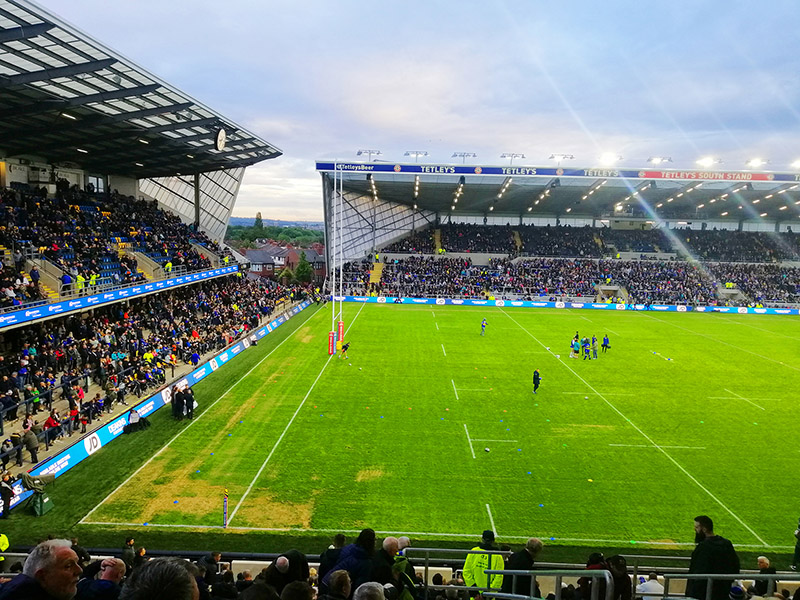
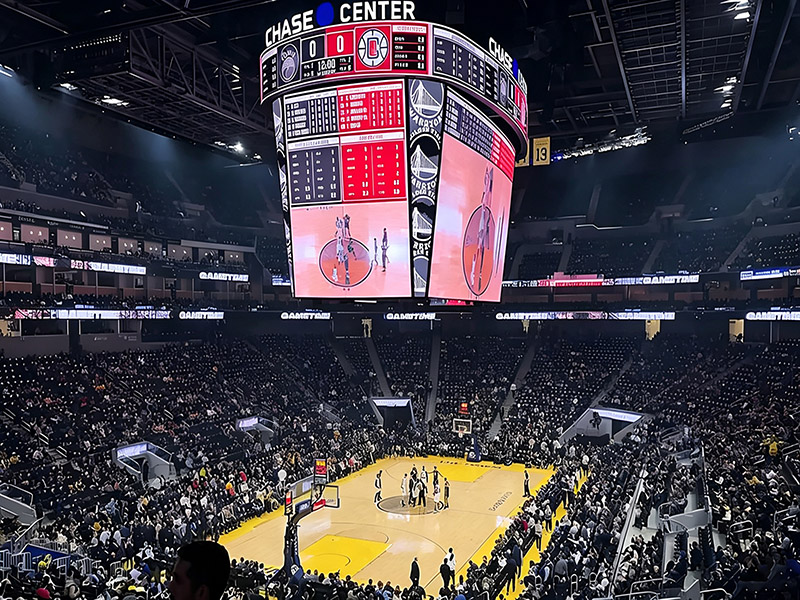
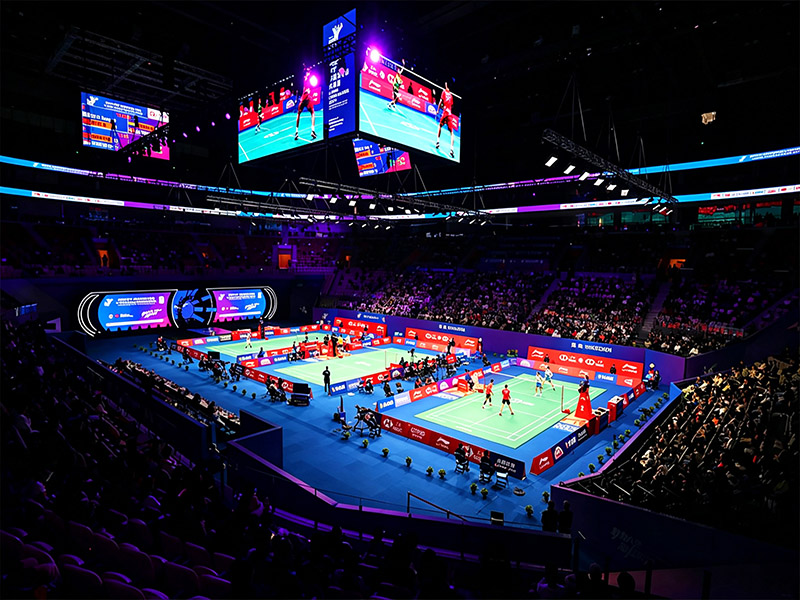
LED solution for stadiums and sports venues — perimeter boards, big screens and scoreboards built fo
Visualeader is deeply engaged in the field of smart stadium display systems. For sports fields, multi purpose gymnasiums and campus sports venues, we deliver complete LED display solutions that meet requirements for live event broadcasting, advertising operations and round the clock outdoor operation, while taking into account event site safety, live shooting performance and long term operation & maintenance.
1.Competition grade ultra clear picture quality optimized for live broadcast and on site viewing Standard 6000 cd/ M2 high brightness delivers reliable performance under outdoor sunlight. The 3840 Hz high refresh rate eliminates motion blur for fast moving footage and moiré artefacts in camera recordings. High contrast paired with an ultra wide 140° viewing angle delivers uniform imagery across spectator stands. Scores, player statistics and advertisements are colour rendered with high fidelity, satisfying requirements for event broadcasting and short video shooting.
2.Stadium grade safety protection for complex outdoor environments Perimeter field screen installations adopt flexible anti collision structures to cushion athlete impacts and comply with domestic and international competition safety regulations. The complete unit achieves IP65 rating, together with lightning protection, anti corrosion and temperature controlled heat dissipation. Operating across a wide temperature range of 40 ℃ 60 ℃, the screens withstand heavy rain, sand dust and strong wind and support 7×24 hour continuous operation.
3.Modular cabinets adaptable for retrofitting diverse venue types Sports specific aluminium cabinets from MS series, M series and MA series support assembly into field perimeter screens, scoreboards, ring shaped screens and suspended overhead screens. Flat, curved and special shaped configurations are available. Wind resistance is rated for Grade 12 winds, suitable for high altitude hoisting and facade mounting. Compatible with both new build and refurbished venues to reduce civil engineering modification costs.
4.Intelligent linked management for smart venue construction Self developed playback control systems achieve multi screen image synchronization and integrate with event scoring systems and venue central control platforms. Score and timing data update at millisecond level speed. Simultaneous multi zone playback is supported for sports feeds, advertisements and emergency notifications. Functions include light sensor based brightness adjustment, scheduled playback, offline resume play after network loss and fault alerts. Local and cloud based cluster management for multiple venues is available.
5.Energy saving and long life design to lower full lifecycle O&M costs Intelligent voltage regulating energy saving power supplies reduce power consumption by 30 % compared with conventional equipment. Industrial grade components deliver a 100 000 hour rated service life. Front access maintenance design allows individual replacement of modules and power supplies without full screen disassembly. Reserved spare parts shorten fault handling time and mitigate risks of service interruption during events.
6.Complete certifications and one stop project delivery Products hold ISO9001, ISO14001 plus CE, FCC, UL and other domestic overseas certifications for bidding and export customs clearance. End to end services cover site survey, structural calculation, drawing production, supply, installation commissioning, operational training and after sales support. Itemized transparent quotations plus dual remote and on site technical support mitigate project risks related to load bearing, wind resistance and event regulatory compliance.
7.Commercial empowerment to raise overall venue revenue A single display system supports sports competitions, concerts and corporate events to improve venue utilization rates. Time shared rotating advertising and remote sponsor content updates monetize advertising resources. Audience cheering interactions and voting functions enhance venue rental value, ticket sales performance and brand value.
|
|
Stadium LED displays constitute integrated venue display systems capable of live event broadcasting, score and timing presentation, athlete data display, sponsor advertising, safety emergency alerts and audience interaction. Visualeader delivers complete all in one solutions including field perimeter screens, score boards, ring shaped light band screens, venue aisle screens and central suspended screens. Optional specifications include 3840 Hz high refresh rate, 6000 cd/ M2 high brightness, IP65 rated cabinets, adjustable mounting brackets and flexible anti collision assemblies. Custom configurations are available based on venue viewing distances, ambient light levels, installation conditions, maintenance access space and local stadium construction codes.
Visualeader also manufactures rental grade LED screens, outdoor displays, sports perimeter screens and conventional indoor outdoor LED products. Large scale production bases implement full set quality inspection workflows. Certification reports such as CE, EMC, LVD, FCC, UL and RoHS are available. One stop project services cover configuration selection, installation planning, equipment commissioning and after sales maintenance.
Beyond basic score display, they output synchronized match timing, foul records, player statistics, match replays, commercial advertisements and interactive content to deliver clear, intuitive core match information.
Mounted on grand stand facades or floor level edges; partial loop or full perimeter venue installation options. Primarily for sponsor advertisements, dynamic visuals, match prompts, real time scores and safety alerts. They offload output pressure from main screens and diversify venue display formats.
Deployed at venue entrances, walkways and crowd gathering zones. They deliver way finding guidance, event schedules, catering information, emergency notices, live feeds and brand advertising to mobile audiences, achieving full coverage information push across public zones.
Suspended above the competition field via professional load bearing steel structures and supporting multi sided simultaneous display. Functions include match live feed, highlight replays, score and player statistics and commercial advertising. Certain models support lifting mechanisms for easier maintenance and event scene reconfiguration.
|
|
FIFA venue specifications classify field perimeter screens as standard stadium equipment. Standard height screen panels measure approximately 0.9 m, with an overall structural height of roughly 1.0 m. Clear requirements govern screen height, mounting position, spectator sight lines and front row viewing distance. Venue structural and installation safety take priority over pure resolution parameters.
1.Full scale enhancement of spectator experience Audience members across all stand sections can view replays, scores, player statistics and match announcements. Independent zoned output is supported: core zones broadcast live feeds and statistics, while other zones deliver advertising, way finding and safety prompts without cross interference between content zones.
2.Boost venue operating revenue and optimize operational costs A single system supports multi scenario reuse for sports competitions, award ceremonies, concerts, e sports tournaments and corporate functions. It replaces static paper billboards and cuts physical material replacement expenses. Modular cabinets allow individual module and power supply replacement. With spare parts inventory, local faults do not require full screen replacement and repair downtime is reduced. Electricity expenses can be precisely calculated using per unit area peak power consumption, average power consumption, power supply efficiency, brightness levels and operating duration.
3.Build interconnected smart venue ecosystems Displays interface with venue central control and IoT systems. Light sensors enable automatic brightness adjustment; scheduled zoned playback is supported. System logs record playback history, fault alarms and advertising delivery metrics for operational review. Data statistic capabilities depend on selected controllers and software.
4.Intelligent content linkage supporting audience interaction Main control systems synchronize imagery across main screens, ring screens and field perimeter screens for unified output of live feeds, match statistics and dynamic source materials. Integration with venue apps and competition platforms enables voting, message posting and score prediction interactions. All interactive content shown on screen requires manual moderation. Functions involving facial data collection must comply with local privacy legislation.
5.Ultra high brightness for crisp imagery under strong sunlight Brightness is matched to ambient light, viewing angles and shooting requirements. MS series outdoor perimeter screens deliver a standard 6000 cd/ M2 brightness to counteract direct solar irradiation. Pixel pitch and resolution are scientifically selected according to viewing distance and screen dimensions.
6.High refresh rate optimized for live broadcast shooting Standard 3840 Hz ultra high refresh rate eliminates scan lines and flicker in fast moving footage for sports broadcast and short video recording. Real world performance depends additionally on receiver cards, video processors, camera parameters, source material frame rate and equipment calibration.
7.Reliable round the clock outdoor operation Outdoor cabinets withstand rain snow, sand dust, extreme temperatures and high winds and comply with building engineering standards. Full IP65 protected cabinets; temperature range, wind resistance and other parameters are available in product manuals and engineering calculation reports.
8.Independent multi zone playback for flexible content control Custom screen zoning is supported: primary zones show live feeds and replays, dedicated zones present scores and statistics, and reserved layout areas carry advertisements and announcements. Zone ratios can be flexibly adjusted based on competition type, advertising partnerships and information readability needs.
|
|
Note: Cases serve purely as conceptual design references and cannot be directly copied for projects. All parameters must be recalculated for each individual project.
1.SoFi Stadium | Dual sided Panoramic Suspended Screen The suspended screen is mounted 122 ft above ground with a total area of approx. 70 000 sq ft and nearly 80 million pixels. Multi faceted suspended panels deliver independent visible imagery for audiences in different stadium zones for all angle viewing coverage.
2.Mercedes Benz Stadium & Allegiant Stadium (Las Vegas) Mercedes Benz Stadium deploys 16 custom large format screens totalling more than 83 500 sq ft including panoramic ring displays. Large roof mounted screen projects require collaborative design from display specialists, structural teams, power & thermal engineers and live broadcast specialists. The curved design of Allegiant Stadium provides design reference for next generation venues.
3.King Abdullah Sports City (Jeddah Super Dome) A mega dome venue with a continuous roof diameter of 210.107 m. Large venue projects demonstrate that screen zoning, viewing angles, hoisting load limits, cabling, maintenance corridors and central control systems demand integrated planning to guarantee stable overall operation.
When procuring field perimeter screens and venue specific equipment, comprehensively evaluate picture quality, stability, maintenance convenience, safety and full lifecycle costs.
1.Core Display Parameters Prioritize evaluation of pixel pitch, physical dimensions, native resolution, refresh rate, brightness, colour performance and signal processing capability. Live broadcast focused projects require high refresh rates; outdoor units must provide adequate brightness. Modular cabinets must retain protection performance and structural stability while facilitating maintenance.
2.Control systems and Operating Power Consumption Calculate peak power consumption, average power consumption, heat dissipation conditions and operating duration; plan spare parts and maintenance resources. Intelligent control systems support equipment status monitoring, content switching, playback log archiving and remote fault diagnosis. Functions may be enabled selectively according to cybersecurity requirements.
3.On site Viewing Conditions Calculate horizontal and vertical full venue viewing coverage considering grand stand layout and camera positions. Curved flexible screens expand viewing footprint. Image uniformity is jointly determined by cabinet splicing precision, equipment calibration, processors and source materials.
4.Environmental protection and Anti impact Design Outdoor protection follows IEC 60529 standards. Focus assessment on drainage, connector protection, ventilation heat dissipation, temperature & corrosion resistance and structural load bearing. For field perimeter screens, athlete impact protection must also be addressed.
5.Maintenance and Full Lifecycle Costs Clarify cabinet maintenance mode (front /rear /dual access) and required service access space. Obtain power consumption figures, component lifetime data, spare part schemes, warranty terms and after sales response times; avoid vague marketing claims.
|
|
Price is not the sole evaluation metric. Qualified vendors must possess stadium project experience, complete certifications, stable production capacity, commissioning competence, spare parts inventory and comprehensive after sales support.
1.Confirm delivered similar stadium cases and distinguish factory executed projects from third party outsourced contracts.
2.Request test reports for corresponding cabinets, power supplies and receiver cards. Corporate system certificates do not replace single component test certificates.
3.Fundamental qualifications: ISO9001, ISO14001. Export certifications: CE, FCC, UL, EMC, LVD, RoHS. Measured test reports shall be provided for broadcast grade DCI P3 colour gamut compliance.
Verify brightness, pixel pitch, refresh rate, viewing angle, protection rating and maintenance modes. Obtain per unit area peak & average power consumption figures and component MTBF data. Submit venue drawings, screen dimensions, viewing distances, climatic conditions and competition requirements to receive custom quotations; reject generic template proposals.
1.Request itemized quotation breakdown: display panels, control systems, steel structures, cabling & power distribution, logistics, customs clearance, installation commissioning, training, spare parts and warranty services.
2.Confirm production lead times, delivery conditions and penalty clauses in formal contracts.
3.Clarify after sales scope: remote support, on site guidance, warranty exclusions, spare parts lead times, fault response procedures and responsibilities for local service teams.
Total project cost covers LED display panels, control systems, steel support frames, power supply & cabling, logistics & customs clearance, installation commissioning, technical training, spare parts inventory and subsequent maintenance. Configurations, site conditions and project scale directly determine total expenditure.
Direct Revenue: Advertising income Differentiate advertising resource pricing based on competition scale, screen location and exposure duration. Use standardized templates to combine scores countdown timers and advertisements ensuring match information is never obscured by ad content. User targeted content delivery must comply with privacy regulations.
Indirect Revenue: Increased venue rental and ticket value Systems support multi use for concerts and corporate events. Superior spectator experience lifts ticket and premium package sales. Camera friendly displays improve broadcast quality and amplify venue commercial value.
Field perimeter screens: Calculate advertising revenue based on number of commercial matches, advertising slots, single event play duration and exposure metrics. Multi purpose comprehensive venues: Compute net profit by adding incremental rental event revenue and subtracting operating expenses for power consumption, hoisting operations, maintenance and source material production.
1.Enhance spectator experience: Replays, scores, player statistics and moderated interactive content strengthen immersive viewing experience.
2.Strengthen brand exposure: Time segmented and zone specific advertising with traceable playback logs provides delivery proof for sponsors.
3.Diversify revenue channels: Combine advertising, ticketing and commercial events; digital content eliminates physical material replacement costs.
4.Round the clock high definition visibility: Brightness contrast and viewing angles adapt to day night conditions ensuring legible information display.
5.Enable audience interaction: Perimeter and ring screens display voting and cheering messages under strict content moderation to preserve match order.
Transparent LED screens are mainly deployed on building facades, premium viewing zones and entry aisles for integrated architecture and display solutions. They cannot fully replace conventional large format stadium screens.
1.Architecture integrated advertising display: Suited for glass curtain walls and guard rails, retaining daylight transparency while outputting advertising and match content. Real world performance depends on transmittance, brightness, load bearing capacity and viewing distance.
2.Light weight special shape adaptation: Modular light weight design fits curved special form buildings. Front access maintenance solutions are an option where space is constrained.
3.Match content playback: Brightness can be customized; high refresh rate versions support shooting requirements. Transparent screens sacrifice partial contrast ratio. Day and night on site testing is recommended prior to selection.
4.Selection note: Transparent screens generally incur higher overall cost than standard cabinets and place strict demands on water proofing, cabling and structural design. Evaluate total cost before adopting this solution.
1.Professional stadium anti collision protection Field perimeter screens are equipped with cushion pads, flexible face masks and rubber anti collision structures to reduce risk of athlete injury on impact. Protection solutions comply with both competition rules and venue safety standards.
2.Broadcast photography grade display performance Main product lines feature standard 3840 Hz ultra high refresh rate and 6000 cd/ M2 high brightness for sports broadcast and short video recording free of flicker and moiré patterns. Whole unit performance can be tuned on site together with venue camera equipment.
3.End to end technical and after sales support Full project follow through from configuration selection and structural planning to on site commissioning and later stage maintenance. Project responsibilities, response times and local service scope are explicitly defined within contract documents.
4.Comprehensive warranty and certification support Standard projects include two year warranty plus 2 % spare parts provision (subject to contract terms). Warranty documents, spare parts lists and complete test & certification reports are supplied to satisfy domestic project requirements and export customs clearance.
Q1: What is typical power consumption for stadium LED displays?
A: Power consumption depends on pixel pitch, brightness settings, operating modes and screen dimensions. Manufacturers provide per square metre peak and average power consumption figures for calculating annual electricity cost based on total operating hours.
Q2: How to resolve reflection and glare issues on stadium LED screens?
A: Multiple measures are combined: brightness matched to ambient light levels, contrast ratio optimization, anti glare surface treatments, adjusted mounting angles and parameter calibration to mitigate strong light reflection and glare effects.
Q3: What is the optimal pixel pitch for stadium field perimeter screens?
A: Select according to minimum and maximum audience viewing distances. Adopt fine pitch for close viewing zones and conventional pitch for large open venues balancing picture quality and project cost.
Q4: How to achieve real time match data synchronization on stadium LED displays?
A: Interface with match scoring system API end points. Professional video processors and synchronization control systems deliver real time updates for scores, timing and player statistics to guarantee accurate competition information output.
Rental LED solution for stages and performances — curve-lock cabinets with fast rig, front...

Rental LED solution for large outdoor events and festivals — weather-ready, fast-lock cabi...

Rental LED solution for exhibitions and trade shows — fast-rig, seamless booth screens tha...
Send the pitch, size and site conditions — you’ll get a spec and a price, not a brochure.

